What we do
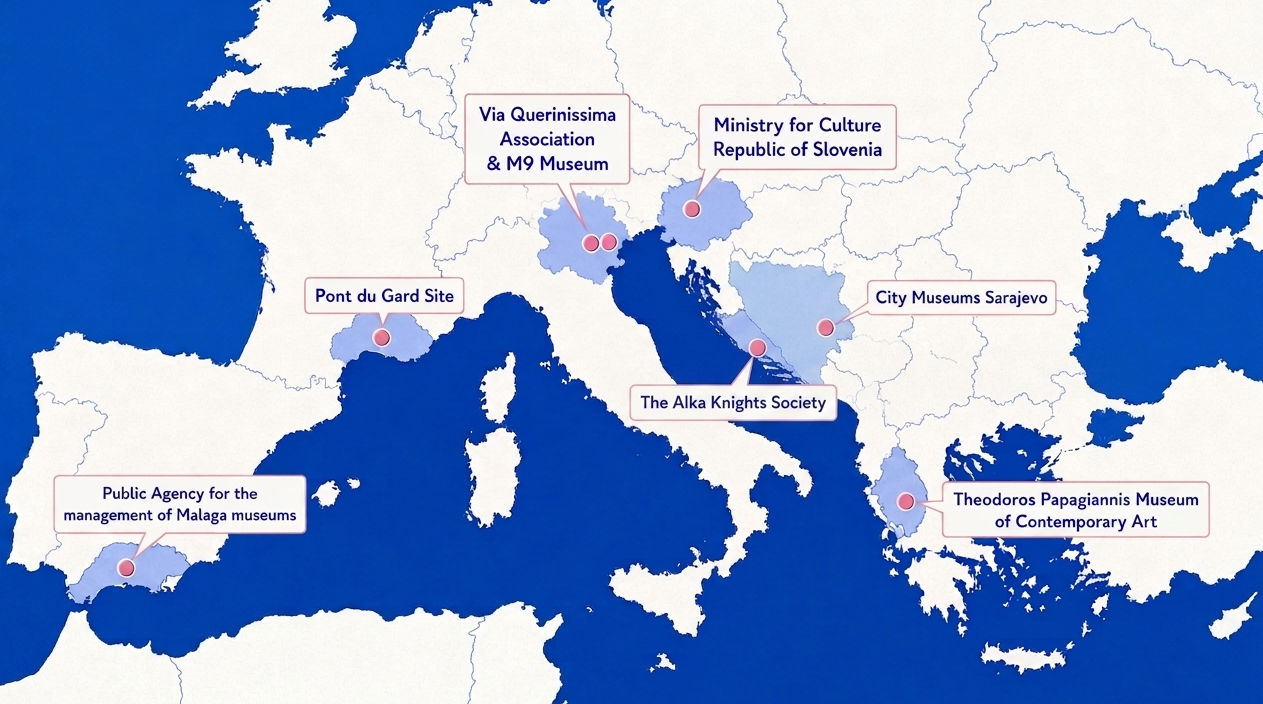
The project is built around a hyperlocal approach, with 8 associated partners (museums, cultural heritage organisations) acting as pilot sites in the co-design and implementation of the project activities. These pilot sites are museums and cultural organisations representing a wide diversity of heritage sectors, including History, Design & Architecture, Modern & Contemporary Art, UNESCO Heritage, UNESCO Intangible Cultural Heritage (ICH), and Cultural Routes.
Each pilot site contributes to the development and testing of innovative approaches rooted in local contexts while fostering exchange and collaboration at the European level.
First Phase – Capacity Building & Co-Design
The first phase focuses on strengthening the capacities of museums and cultural organisations through a cross-sectoral co-design approach. It supports upskilling, peer learning, and collaboration between heritage and cultural actors.
Second Phase – Local Actions & Solutions
The 8 pilot sites

Venice, Italy
The pilot area is implemented by Veneto Region and the Via Querinissima International Cultural Association.
The Via Querinissima International Cultural Association, founded in 2022, promotes a cultural itinerary inspired by Pietro Querini’s journey, connecting Northern and Southern Europe through shared history, landscapes and traditions. Its mission is to foster intercultural dialogue and support sustainable tourism rooted in European heritage.
The Association brings together around 30 members from several countries, including cultural institutions, universities, municipalities and tourism organisations. It works on enhancing both tangible and intangible heritage, placing local communities at the centre of its approach and encouraging collaboration across territories.
Within Med4Regen, Via Querinissima acts as an associated partner of the Veneto Region. This collaboration strengthens the link between regional public policies and a transnational cultural network. The Association contributes its expertise in cultural routes and community-based tourism to support the development of regenerative tourism approaches across partner territories.
Mestre, ITALY
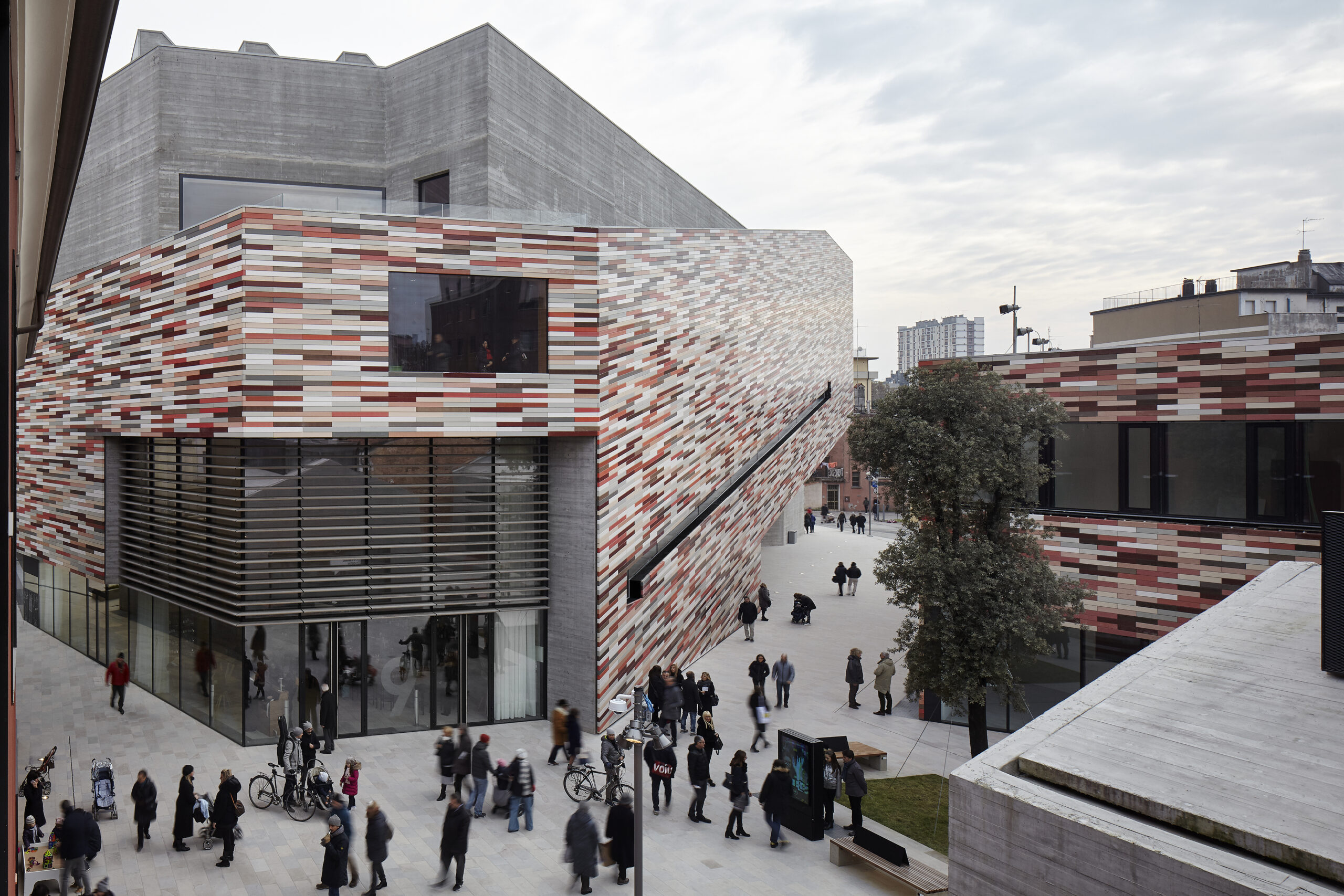
The pilot area is implemented by Università Iuav di Venezia and the M9 museum.
M9 museum is located in Mestre, on the mainland of Venice, and offers a different perspective on the city. Dedicated to the 20th century, it tells the story of everyday life alongside major social, economic and cultural transformations, making complex changes accessible through immersive and engaging formats.
Because it is rooted in a living urban context, beyond the historic centre, M9 connects with diverse communities and local audiences. This makes it a valuable testing ground for new approaches to culture and territory.
Within Med4Regen, the museum works as an associated partner with Università Iuav di Venezia, supporting the experimentation of tools and pilot actions. Through this collaboration, M9 contributes to exploring how cultural institutions can actively engage communities and support regenerative tourism at the local level.
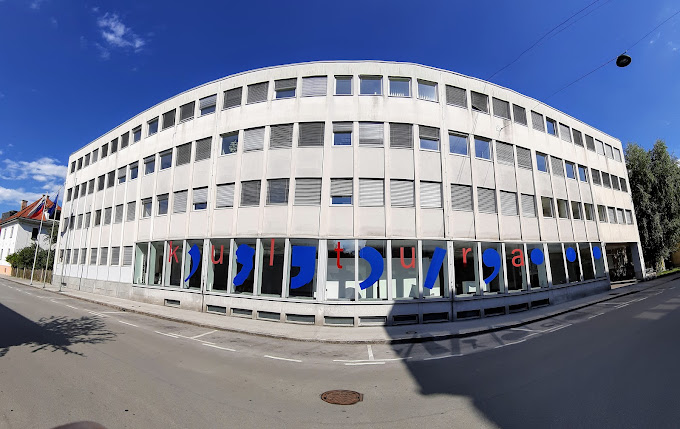
Ljubljana, Slovenia
The pilot area is implemented by the Museum of Architecture and Design (MAO) and the Slovene Ministry for Culture.
The Slovene Ministry for Culture is responsible for shaping and implementing national policies related to cultural heritage, cultural development and the creative sectors. It plays a key role in connecting policy frameworks with on-the-ground practices, ensuring that cultural strategies support both preservation and innovation.
With strong expertise in European cooperation and policy development, the Ministry contributes to discussions on how sustainability and innovation can be integrated into heritage management and cultural valorisation.
Within Med4Regen, it acts as an associated partner, working alongside project partners to bring a policy perspective to the Living Lab activities. By engaging cultural institutions and local stakeholders, it helps connect field-based experimentation with public policy. The Ministry also supports the dissemination of project outcomes, ensuring their visibility and potential integration into future cultural strategies at national and European levels.
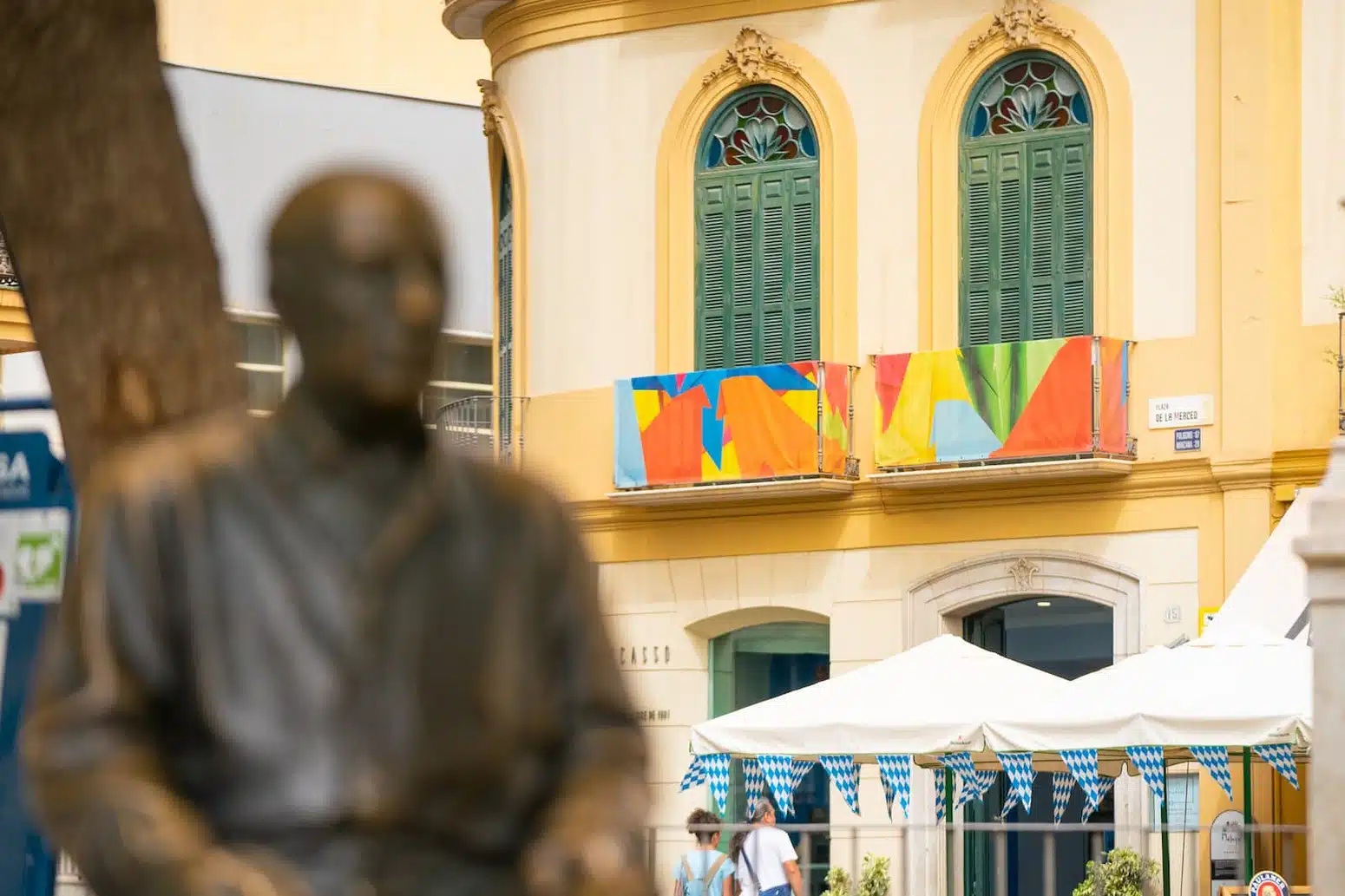
Malaga, Spain
The pilot area is implemented by Promálaga and the Public Agency for the Management of the Birthplace of Pablo Ruiz Picasso and Other Museum and Cultural Facilities
The Public Agency for the Management of the Birthplace of Pablo Ruiz Picasso and Other Museum and Cultural Facilities is a municipal body of the City of Málaga responsible for managing key cultural institutions, including Picasso’s Birthplace Museum, the Centre Pompidou Málaga and the Russian Museum Collection. Through these venues, it works daily to preserve and promote the city’s artistic and historical heritage while making culture accessible to both residents and visitors.
Beyond museum management, the Agency develops exhibitions, educational programmes and public events that actively engage local communities. Its work contributes to shaping Málaga’s cultural identity and strengthening its position as an international cultural destination.
Within Med4Regen, the Agency participates as an associated partner, bringing its experience in cultural programming, audience engagement and heritage management to explore how cultural institutions can contribute to more sustainable and locally grounded tourism models, reinforcing the link between culture, community and urban development.
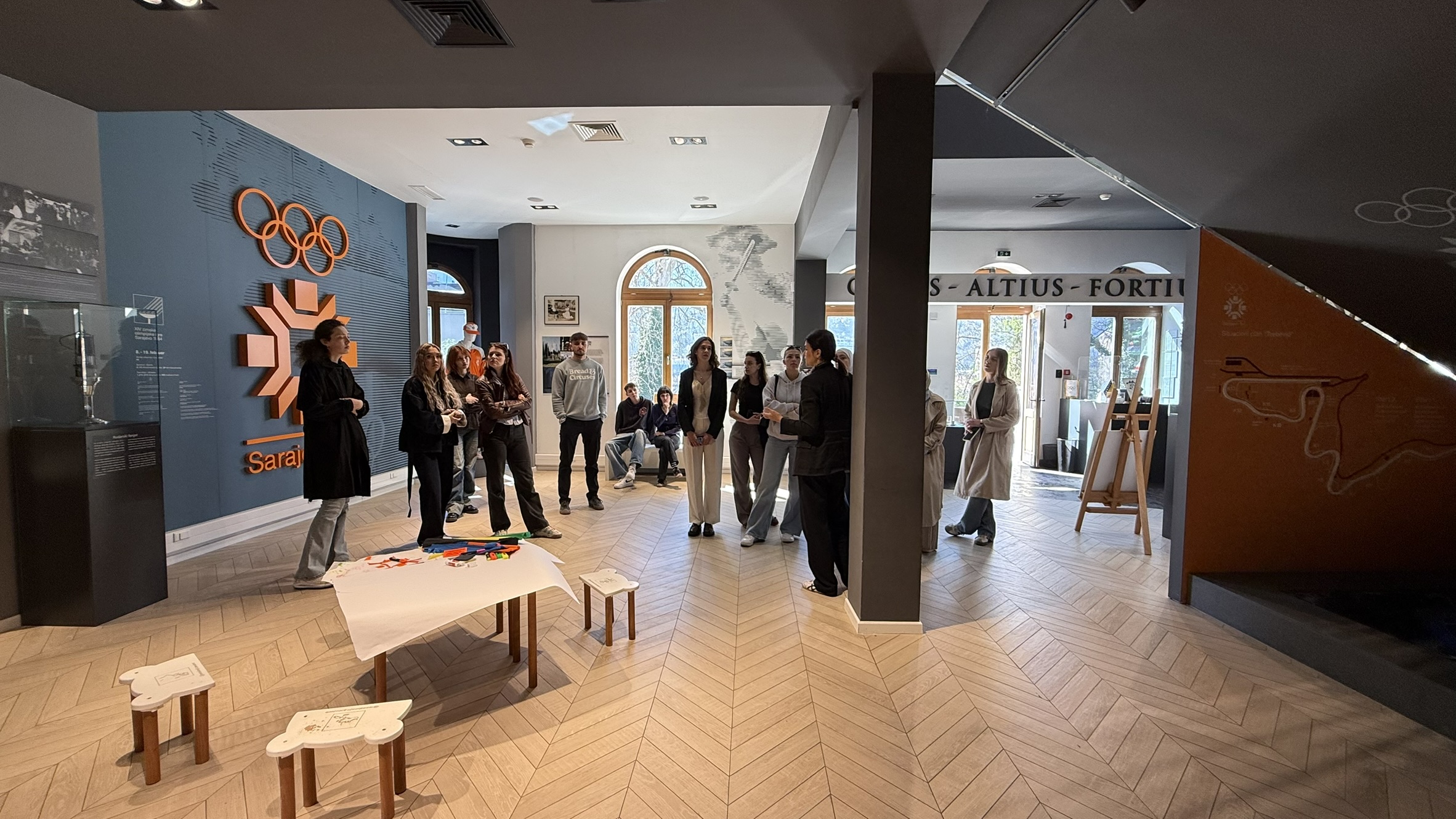
Sarajevo, Bosnia and Herzegovina
The pilot area is implemented by University of Sarajevo and the City Museums of Sarajevo
City Museums of Sarajevo through the Olympic Museum and the Museum of Contemporary Art Ars Aevi, brings together two museums whose collections speak to different but equally important layers of Sarajevo’s identity. The Olympic Museum preserves the legacy of the 1984 Winter Olympic Games through documents, photographs, medals, souvenirs, authentic sports equipment, film material, and emblematic objects such as Jure Franko’s skis, while also presenting artworks connected to sport and Olympism.
Ars Aevi, by contrast, is rooted in contemporary artistic practice and international solidarity: conceived during the siege of Sarajevo, it has developed a major collection of contemporary art through donations and collaborations with leading artists and cultural actors, making it one of the city’s most distinctive cultural platforms.
The “Valter Defends Sarajevo” exhibition is located in the restored building of former railway station. It is dedicated to the famous Partisan fighter Vladimir Perić Valter and the iconic film of the same name. Through exhibits, archival footage, and interactive elements, the display brings to life the spirit of Sarajevo’s anti-fascist resistance during World War II. It also explores the myth and legacy of Valter as a symbol of resistance and unity.
The “Sarajevo Memorial” is a commemorative museum exhibition dedicated to children killed during the siege of Sarajevo between 1992 and 1995. Located in the heart of the city, the exhibition provides a powerful testimony about civilian casualties of war, focusing particularly on the youngest victims.
Together, these institutions connect memory, heritage, art, and public culture, linking Sarajevo’s Olympic past with its contemporary creative horizons. Within MED4REGEN, City Museums Sarajevo is involved as an associated partner institution alongside the University of Sarajevo’s Faculty of Architecture.
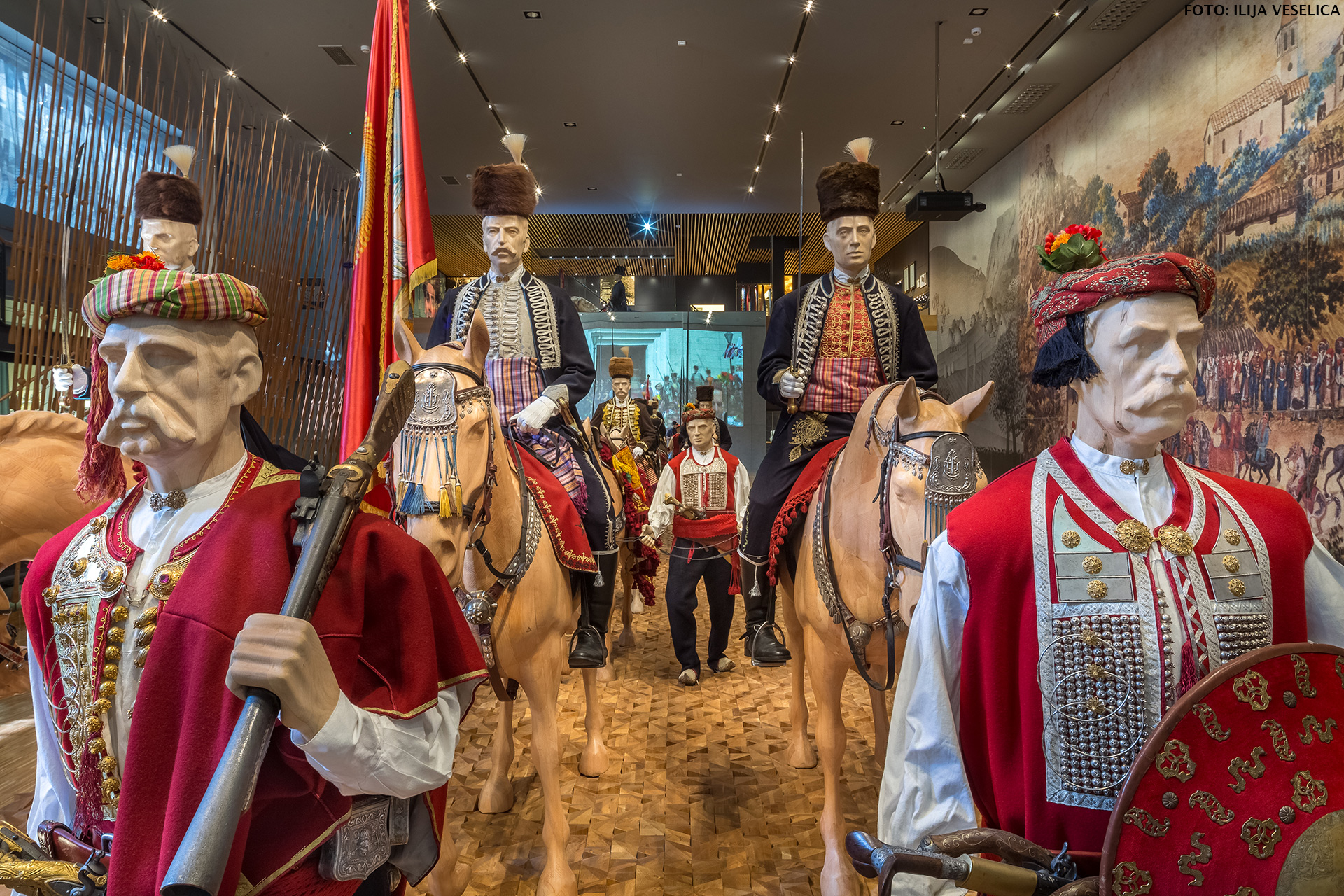
Split-Dalmatia County, Croatia
The pilot area is implemented by Tourist Board of Split-Dalmatia County and the Alka Knights Society.
The Alka Knights Society, founded in 1715, is a civic association dedicated to preserving and promoting the Sinjska Alka, a chivalric tournament recognised as UNESCO intangible cultural heritage since 2010. Deeply rooted in local traditions, it plays an active role in keeping this living heritage connected to the community and its everyday practices.
As a heritage practitioner community, the Society brings hands-on experience in community-based approaches and local engagement.
Within Med4Regen, it contributes by sharing knowledge of local tourism challenges and by working closely with partners to develop tools and methods adapted to hyperlocal contexts. Through its strong connections with local associations, SMEs and residents, it supports the implementation of Living Lab activities. This involvement helps explore how intangible heritage can become a driver for regenerative tourism, strengthening both cultural identity and community resilience.
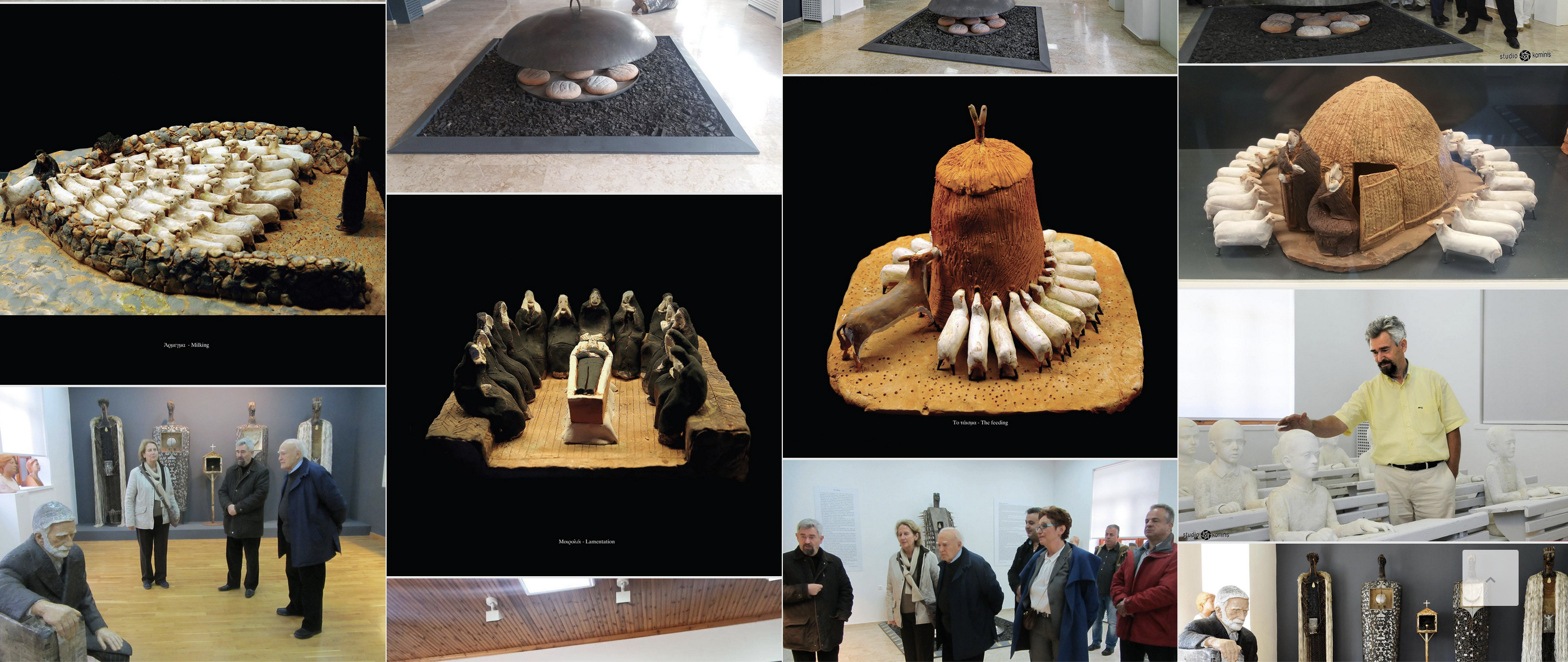
Ioannina region, GREECE
The pilot area is implemented by the Region of Epirus and the Theodoros Papagiannis Museum of Contemporary Art.
The Theodoros Papagiannis Museum of Contemporary Art is located in a restored stone school in Elliniko, in the North Tzoumerka region of Epirus. Combining indoor exhibition spaces with a seven-acre sculpture park, it offers a unique cultural experience rooted in the surrounding landscape. Its collection of over 300 works explores themes such as environmental awareness, recycling and social values, linking artistic creation with everyday life.
The museum is also a place of active creation, hosting annual sculpture symposiums where Greek and international artists produce new works in direct interaction with the public. These events, along with performances and cultural activities, create strong connections with local communities.
Within Med4Regen, the museum contributes as an associated partner by supporting Living Lab activities and experimentation. Its work highlights how art and cultural spaces can engage communities and contribute to regenerative approaches grounded in local identity and environment.
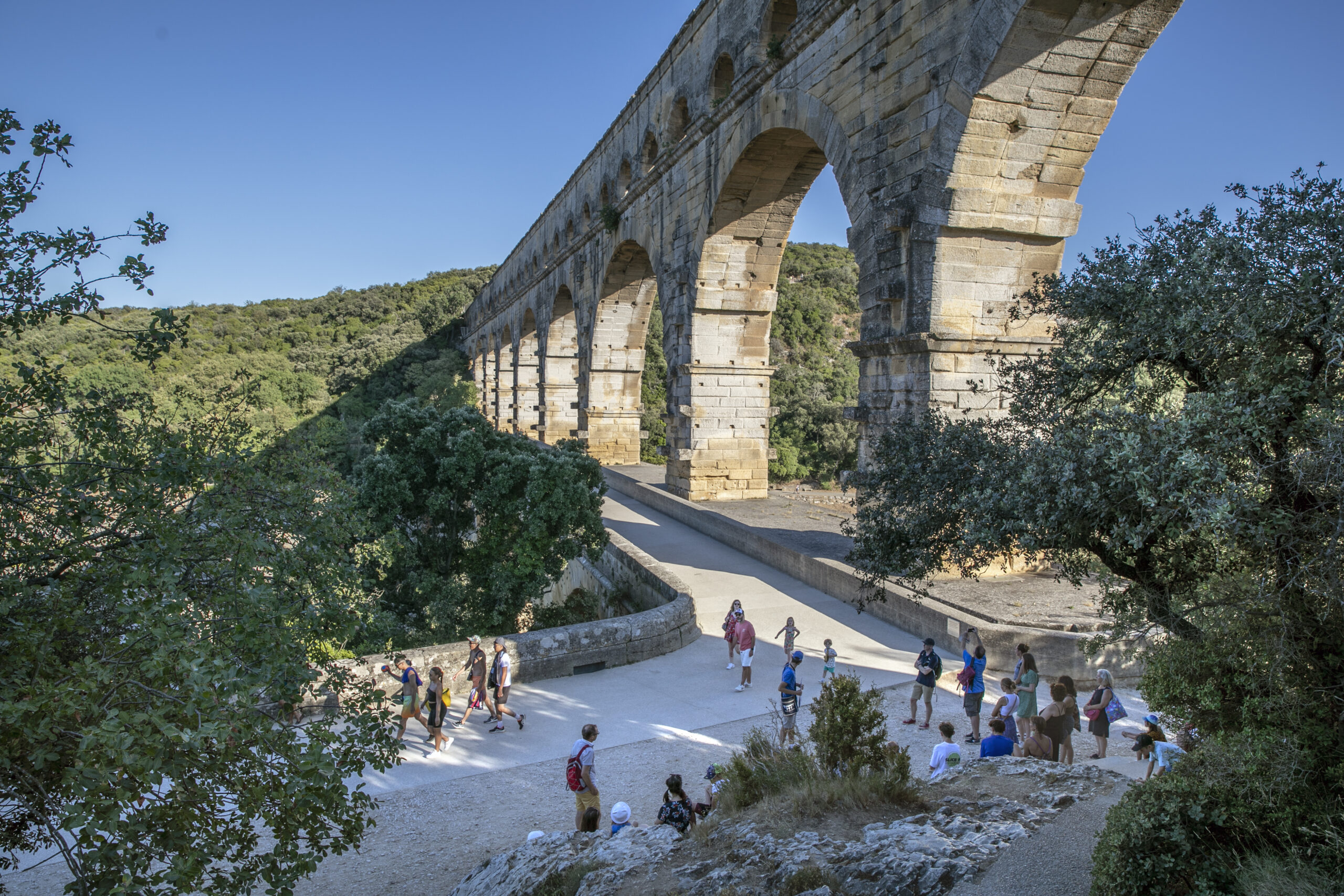
Nimes region, France
The pilot on the Pont du Gard territory is implemented by Open Tourisme Lab (OTL) together with Pont du Gard World Heritage Site.
The Pont du Gard is the highest Roman aqueduct bridge in the world, protected by UNESCO (inscribed on the World Heritage List since 1985) and other programmes including Natura 2000. The site welcomes approximately one million visitors per year and offers spaces for discovery centred on Roman civilisation, its relationship with water, construction techniques, and Mediterranean landscapes. Its long-standing expertise in sustainable management makes it a key partner for testing regenerative tourism solutions.
Within the Pont du Gard site, the pilot actions focus specifically on Mémoires de Garrigue, a 15-hectare open-air landscape museum located immediately adjacent to the monument. Structured around 50 agricultural and landscape plots — olive groves, dry stone walls, cereal crops, pastoral traces — it tells the story of 2,000 years of Mediterranean land use. Despite its rich natural and vernacular heritage, this space remains largely invisible to the tourists visiting the monument, and the pilot aims precisely to address this challenge.
Capacity-building activities will equip the Pont du Gard team with skills in co-design and regenerative tourism approaches. Local actions will focus on developing thematic walks, immersive experiences, and a seasonal events programme — strengthening connections between this landscape, local communities, and territorial actors around olive cultivation and dry stone heritage.