Our Story
Tourism at a Crossroads in the Mediterranean
The Mediterranean region is one of the world’s top tourist destinations, but faces growing challenges from climate change, environmental risks, and social pressures. To remain attractive and resilient, it needs to move beyond traditional tourism models and embrace sustainable, regenerative practices. MED4REGEN supports this transition by anchoring sustainability values across the tourism ecosystem, aligning with the EU’s Greener MED priorities for climate adaptation and cultural change.
Limited Tools and Collaboration
Tourism in the Mediterranean often lacks shared tools and strategies to reduce environmental impacts and involve local communities. Collaboration between cultural institutions and tourism businesses is limited, making it harder to embed sustainability at scale. MED4REGEN tackles these challenges by fostering cross-border cooperation and building shared capacity for change.
From Extractive to Regenerative Tourism
The project responds to the need for a cultural shift in tourism—transforming it from an extractive model into one that actively regenerates local environments and communities. It aims to unlock the potential of museums and heritage sites as hubs for learning, participation, and sustainable practices, helping both residents and visitors embrace climate-friendly, community-driven tourism.
Co-Designed and Tested Across Eight Countries
MED4REGEN brings together partners from eight countries to co-design and test regenerative tourism solutions. The project develops a shared MED4REGEN Strategy and five Action Plans tailored to local contexts. Sixteen concrete solutions will be piloted in museums and cultural sites, supported by training programs, living labs, and the creation of a practical toolbox and online platform to share methods and results.
Lasting Benefits for Communities and the Environment
By the end of the project, MED4REGEN will strengthen cooperation among 48 organizations across the Mediterranean. It will deliver practical tools, tested solutions, and capacity-building to help communities, cultural institutions, SMEs, and policymakers embrace regenerative tourism models. The ultimate goal is a more resilient, inclusive, and sustainable Mediterranean tourism sector that generates lasting benefits for people, culture, and the environment.
The partners

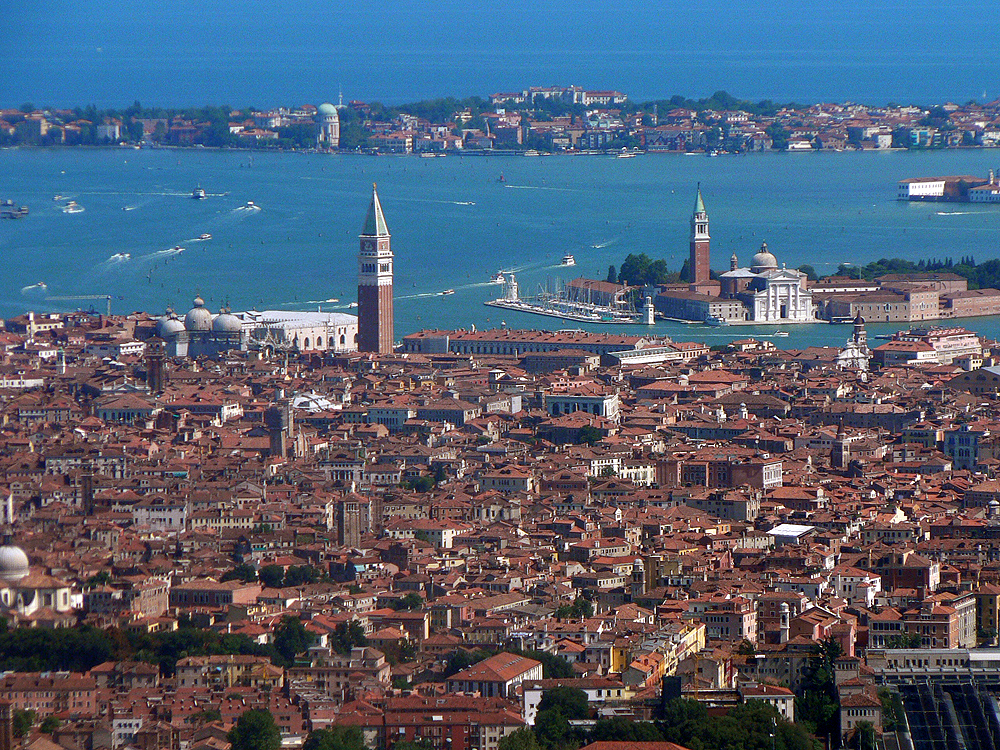
Veneto region – Italy
The Culture Department of the Veneto Region implements regional policies in cultural heritage, cultural activities, creative industries and sport, while managing the ERDF programme dedicated to the cultural sector. With around 60 staff members, including a unit focused on European and international projects, it plays a key role in linking public policy and cultural development.
The department has solid experience in European cooperation, currently involved in Interreg Europe and Italy–Croatia programmes. Its work spans heritage, audiovisual and museum sectors, providing a broad understanding of cultural ecosystems and their evolution.
Within Med4Regen, the Veneto Region collaborates closely with its associated partner, the International Association Via Querinissima, a founding member of the initiative. This collaboration connects regional action with a transnational network, contributing to the development of regenerative tourism approaches based on cultural heritage.
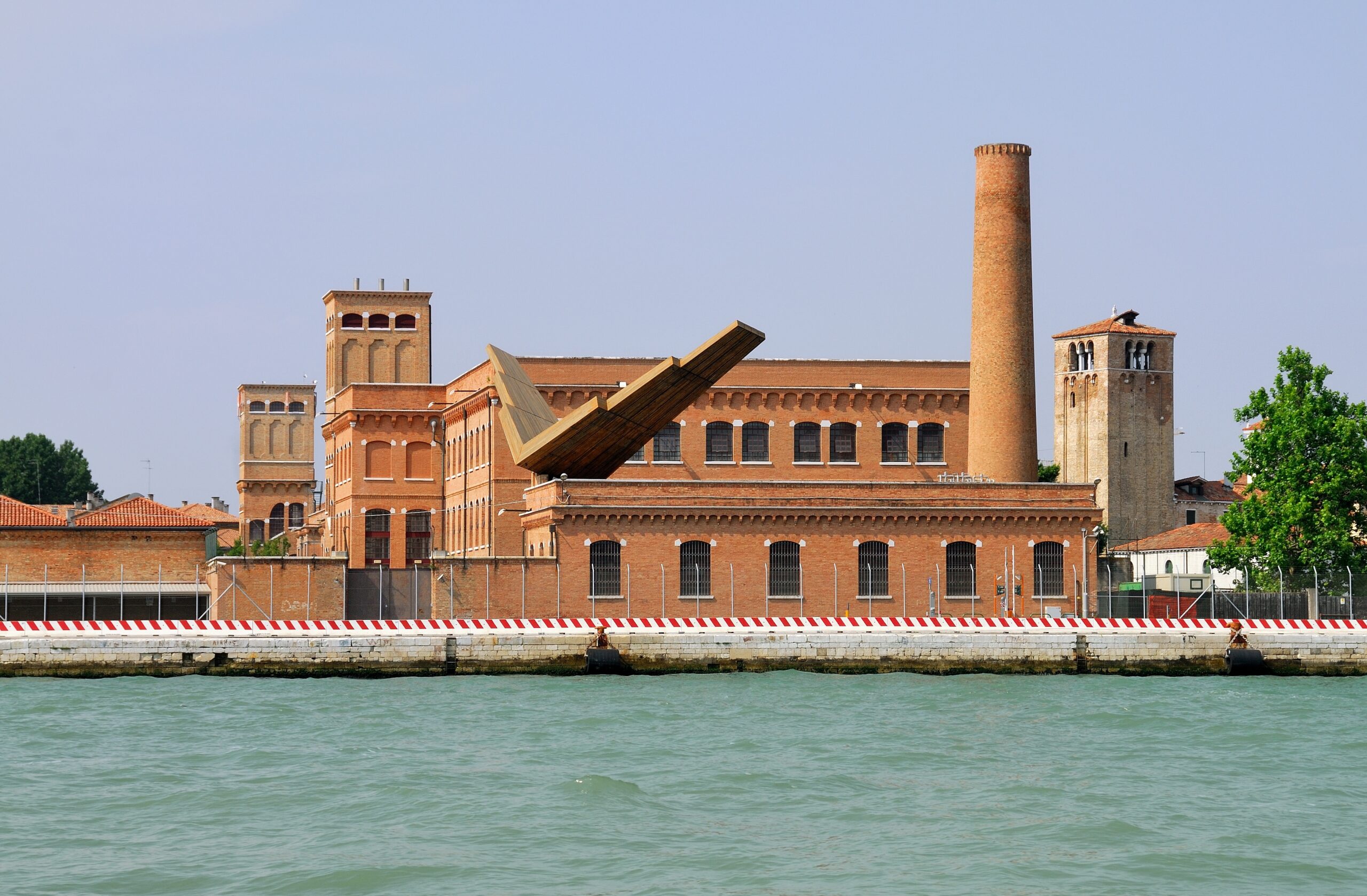
Università Iuav di Venezia – Italy
Founded in 1926, Università Iuav di Venezia is a public university specialising in architecture, design and spatial practices. Based in Venice, it operates within a unique cultural environment, collaborating with institutions such as civic museums and the Venice Biennale, and linking academic research with real-world contexts.
The university combines humanities and design through studio-based teaching led by architects, artists and designers. With around 4,600 students and 550 faculty members, it develops expertise in areas such as sustainable design, cultural innovation and regenerative urban planning. Its research explores how territories can evolve through creative approaches, with Venice serving as a living laboratory.
Within Med4Regen, Iuav contributes through its Design for Territories unit, working in collaboration with project partners to develop tools and methods for place-based regeneration. Its work supports stakeholder engagement and helps address challenges such as overtourism, connecting design practices with territorial transformation.
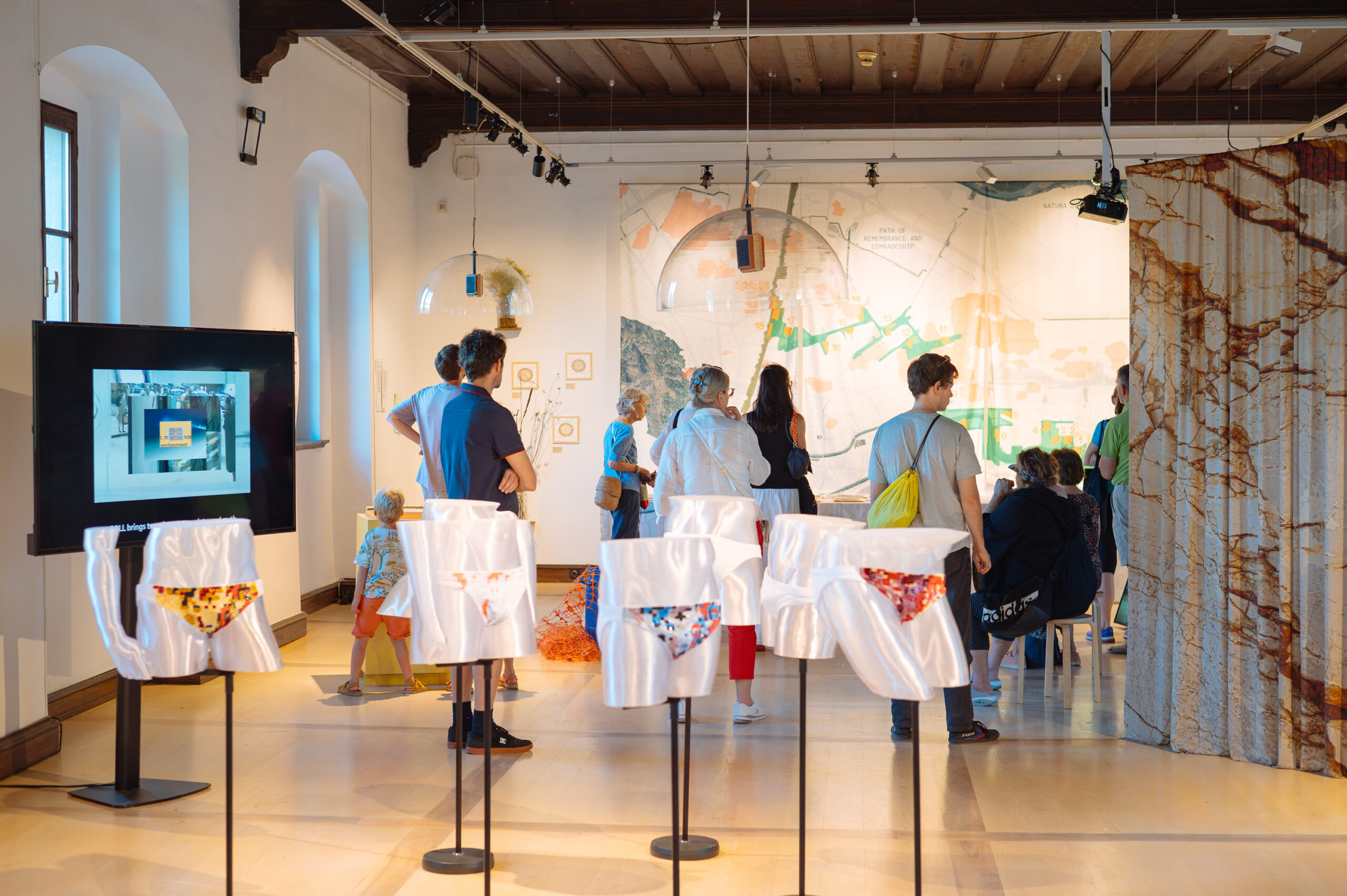
The Architectural Museum Ljubljana (MAO) – SLOVENIA
Founded in 1972, the Museum of Architecture and Design (MAO) in Ljubljana is one of Europe’s oldest institutions dedicated to architecture and design. Today, it has evolved into a dynamic cultural platform, combining heritage preservation with contemporary creation. MAO manages Slovenia’s most comprehensive collection in this field, while developing exhibitions, publications and programmes that make architecture and design accessible to a wide audience.
Through its work, MAO connects professionals, students and the general public, fostering a better understanding of how heritage and creativity shape everyday life and future development. As a national and international hub, it promotes knowledge exchange and supports emerging talents through innovative formats.
Within Med4Regen, MAO contributes its expertise in heritage interpretation and cultural programming, helping explore how architecture and design can support regenerative approaches and strengthen the link between cultural heritage and local communities.
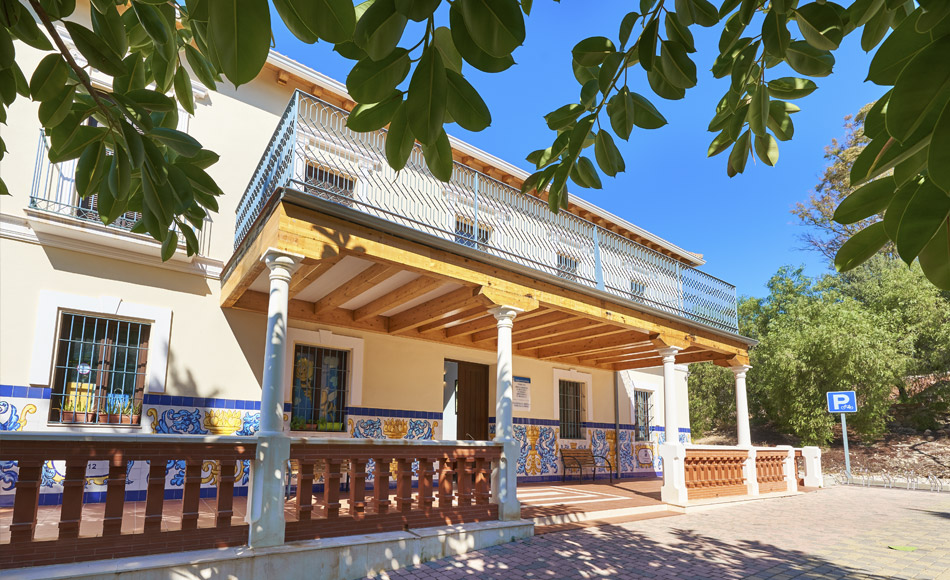
Promalaga – SPAIN
Promálaga is a municipal company of the City of Málaga dedicated to supporting the city’s sustainable economic development. Through a network of incubators located across different districts, including spaces for creative and cultural industries, it works directly with entrepreneurs, startups and local businesses. Its activities combine facilities, mentoring and training, with a strong focus on initiatives rooted in the local context.
This close connection with the territory also shapes its role in European cooperation projects, where Promálaga contributes to initiatives related to urban innovation, digital transition and economic regeneration, bringing strong capacity to engage and mobilise local stakeholders.
Within Med4Regen, Promálaga contributes by connecting cultural actors, entrepreneurs and public institutions, supporting the integration of cultural initiatives into broader local development dynamics. Building on its work with creative and cultural entrepreneurs, it helps translate cultural assets and programming into opportunities for local businesses and new initiatives, reinforcing the link between culture, economic activity and community-based development.
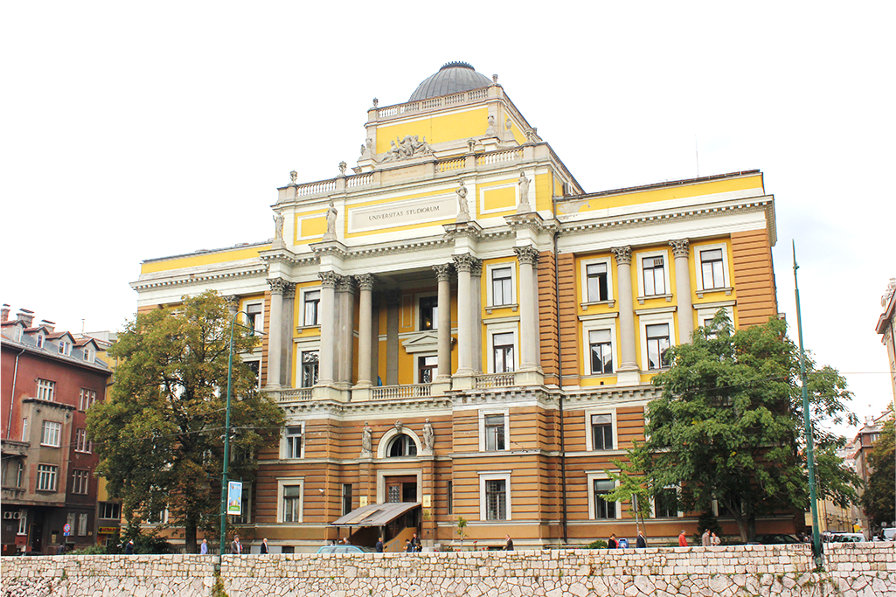
The university of Sarajevo – Bosnia and Herzegovina
The University of Sarajevo, established in 1949, is the oldest and largest public university in Bosnia and Herzegovina and is a central academic institution, bringing together 22 faculties, 3 academies, and 5 research institutes across a broad range of scientific and artistic fields. It presents itself not only as a teaching institution but also as a major centre of research, public responsibility, and international cooperation, with a strong commitment to connecting local knowledge with wider European and global academic currents.
Faculty of Architecture – University of Sarajevo, holds a particularly important role as one of the University’s full members and as a long-standing centre for architectural thought, design culture, and spatial research. Founded in the same year as the University, the Faculty has shaped generations of architects and has built its identity around the relationship between architecture, urbanism, heritage, environment, and the social life of space. Its work extends beyond teaching into research, publishing, and professional engagement through the Institute of Architecture, Urbanism and Spatial Planning.
The Faculty also maintains an active international orientation, welcoming cooperation with higher education institutions and partners through projects, bilateral exchange, and broader academic networks. In this sense, its participation in MED4REGEN is a natural extension of its institutional profile: within the project, the University of Sarajevo is represented through the Faculty of Architecture, which contributes knowledge in architecture, urban regeneration, spatial planning, heritage, and sustainable territorial thinking to the development of regenerative tourism and culture in the Mediterranean context.

Tourist Board of Split-Dalmatia County - Croatia
The Tourist Board of Split-Dalmatia County is responsible for managing and promoting tourism at the regional level in Croatia. Acting as a destination management organisation, it works closely with local authorities, tourism professionals and businesses to support the development of a coherent and sustainable tourism offer across the county.
Its activities cover strategic planning, tourism product development, communication and destination management, with a strong connection to local governance processes. Through this role, the Board contributes to shaping tourism policies while staying closely linked to on-the-ground dynamics.
Within Med4Regen, it engages with local stakeholders through Living Lab activities, exploring how tourism development can better integrate environmental, cultural and community dimensions. Its experience helps connect regional strategies with practical experimentation, supporting the transition towards more regenerative tourism approaches.
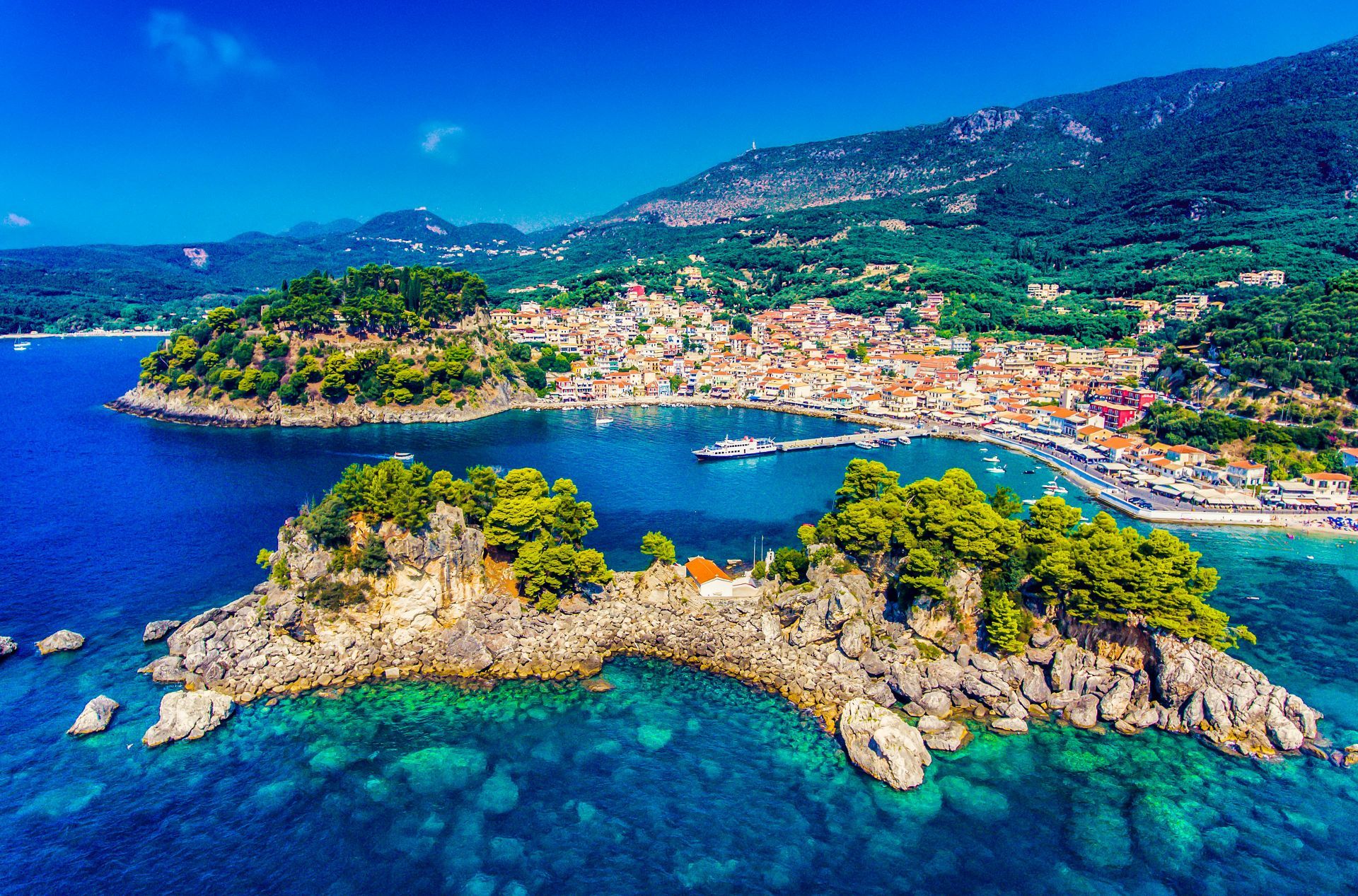
The Region of Epirus – GREECE
The Region of Epirus is one of Greece’s 13 regional authorities, responsible for implementing development policies and supporting sustainable growth at the local level. Located between the Pindus Mountains and the Ionian Sea, it manages strategic planning, environmental protection and economic development, working closely with local stakeholders across sectors such as tourism, agriculture and innovation.
This strong connection to its territory shapes its experience in European cooperation, with active involvement in INTERREG and cross-border projects.
Within Med4Regen, the Region of Epirus engages local actors through Living Lab activities, using its diverse natural landscapes as a basis for experimentation. By linking environmental stewardship, tourism and community involvement, it contributes to exploring how nature-based tourism can evolve towards more regenerative models, balancing attractiveness with long-term sustainability.
Open tourisme LAB – FRANCE
Open Tourisme Lab (OTL) is a tourism innovation agency with 3 pillars:
1. Innovation strategy consultancy-Advising tourism organisations on the development of their innovation strategy and on the challenges of transforming their model in line with sustainable and digital change
2. Open Innovation-Supporting SME as part of ideation phases, incubation and acceleration programmes, using design and collaborative methods
3. Innovation content (Events & media)-Revealing talents and pioneers who are exploring and designing new innovation approach for climate change.
OTL has launched a new program called Tourism Tech For Good (supported by Feder grant), a do-tank action of tourism game changers. Thanks to open innovation approach , OTL supports tourism organisation to meet their challenges and design new impact solutions. In April 2024, OTL organised an innovathon on 3 themes: water resource management, waste management and low-carbon mobility. Heritage sites such as the Pont du Gard put forward their challenges.